 AIRLINE PILOT CENTRAL
How AI Is Changing the Cockpit and Pilot Training
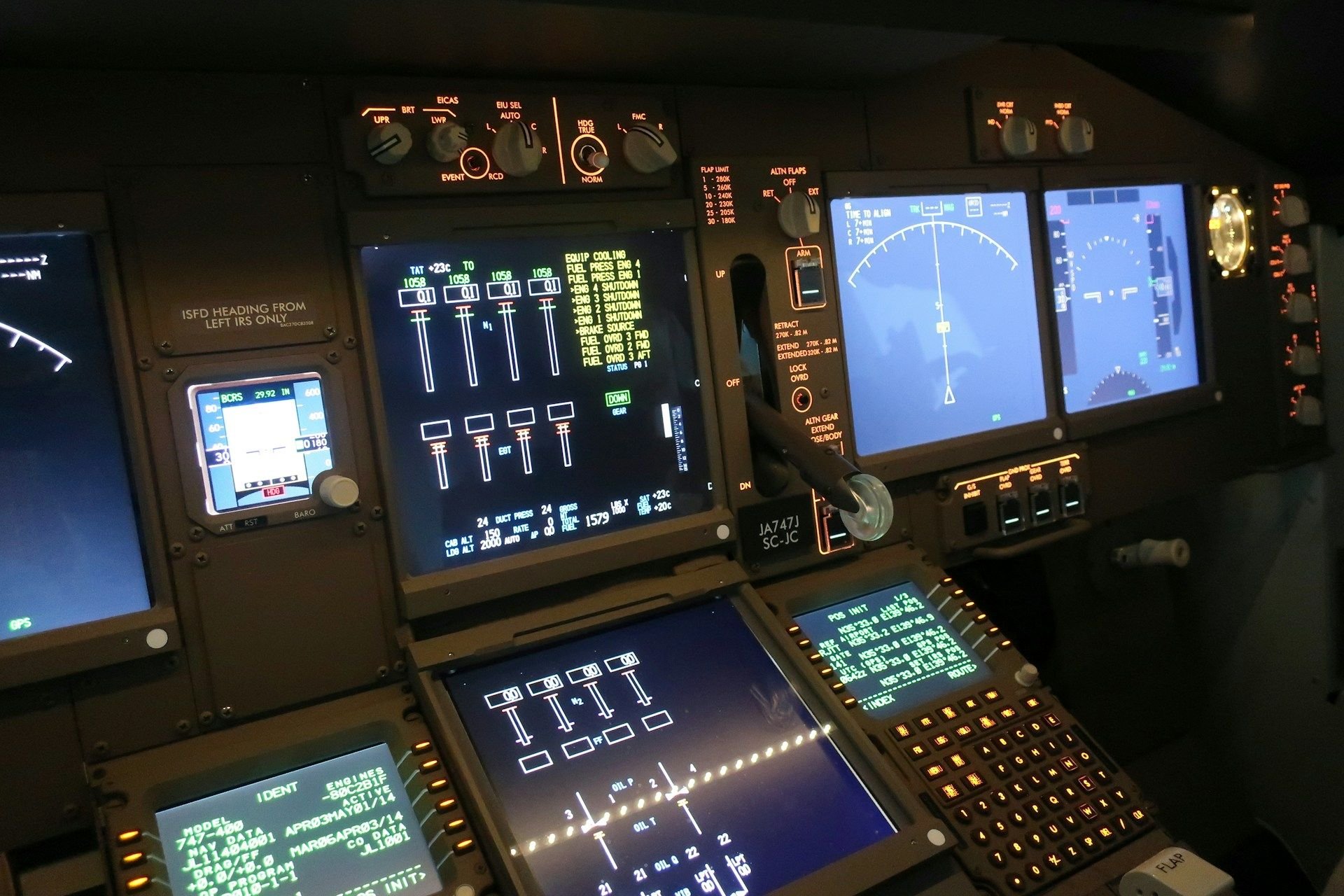
Photo by Jumpei Mokudai on Unsplash
With good cause, artificial intelligence is rapidly rising to the top of the aviation industry's discussion list. AI is starting to change how airlines run and how pilots get ready for takeoff, from predictive maintenance to pilot training. Although no one anticipates AI to take the place of human pilots anytime soon, its use as a potent auxiliary tool is growing quickly.
AI is being incorporated into simulators for pilot training that instantly adjust to a student's skills and shortcomings. These "smart simulators" may identify pilot behaviors, modify the level of difficulty, and offer tailored feedback in place of preset scenarios. AI-based debriefing tools that automatically examine simulator sessions and spot missed callouts, erratic approaches, or checklist deviations are being tested by flight schools and training facilities. Enhancing safety results, reducing the learning curve, and personalizing training are the objectives.
AI is subtly improving the safety and efficiency of activities inside the cockpit. Systems that optimize flight paths for fuel savings and turbulence avoidance through machine learning are being tested by airlines. Maintenance teams can address issues while an aircraft is still on the ground by using AI-driven monitoring technologies that can anticipate equipment failures before they occur. As an additional set of digital eyes and ears, several manufacturers are even investigating "virtual copilots" that help with data management, weather monitoring, and anomalous checklist chores.
However, the majority of pilots continue to be cautiously optimistic. AI lacks the expertise, judgment, and intuition that characterize competent airmanship, even though it can process data more quickly than a human. Airlines, unions, and regulators all concur that AI should supplement human pilots rather than take their place. The next generation of pilots might find themselves flying with an intelligent system that is intended to improve them even more, rather than just another human at their side, as technology advances.
-
United Parcel Service 05/26/2026
-
Alaska Airlines 04/30/2026
-
Cape Air 04/30/2026
-

Premier Private Jets 04/14/2026
-
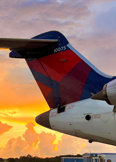
Endeavor Air 04/13/2026
