 AIRLINE PILOT CENTRAL
Is Commercial Airline Pilot Training Too Expensive?
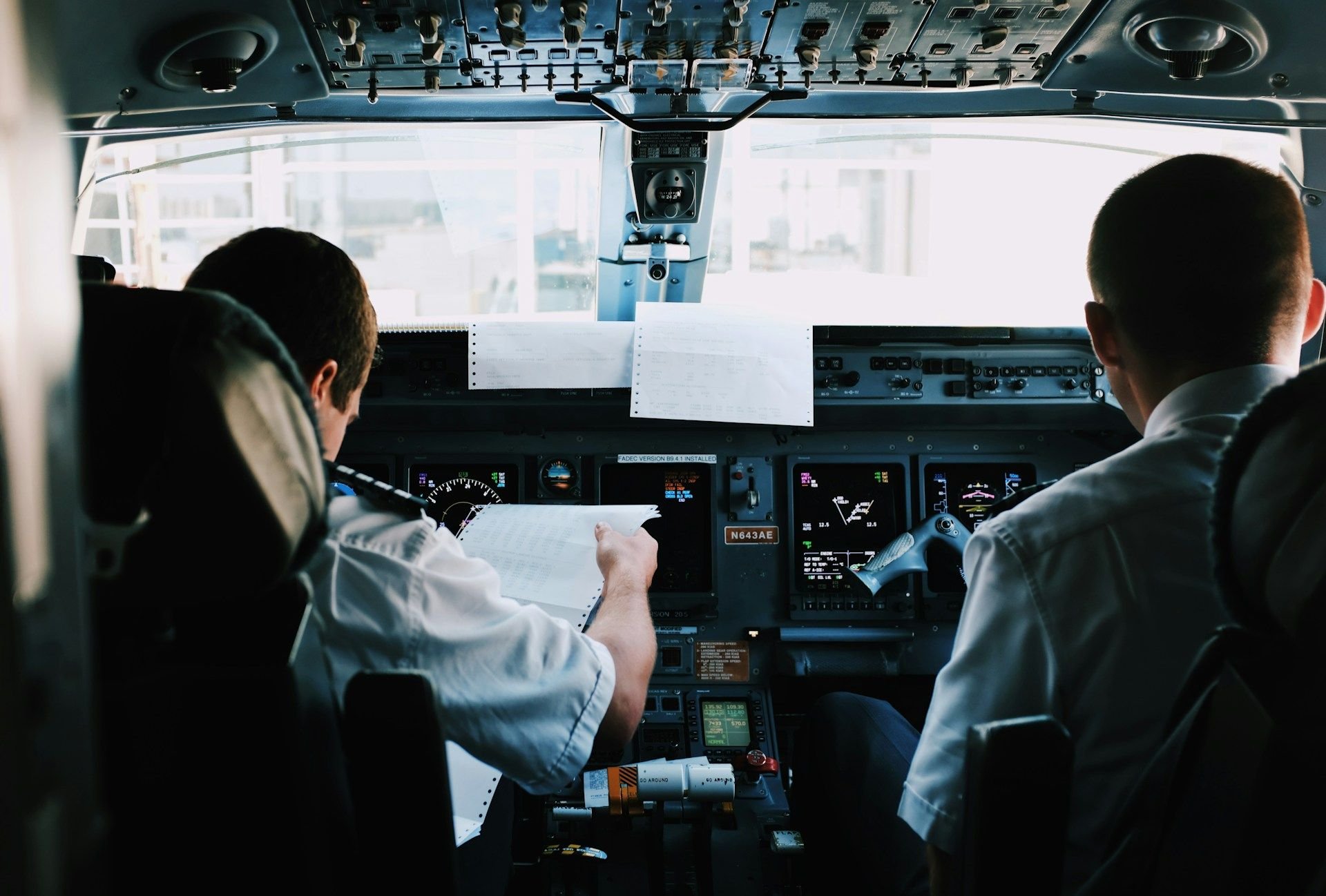
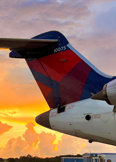
Photo by Blake Guidry on Unsplash
The time and financial commitment required to become a commercial airline pilot is substantial. Training for aspiring pilots can cost more than $80,000, which includes flight instruction, simulator sessions, and related educational charges.
On one hand, this makes sense because the public safety and trust in the entire aviation sector depends on skilled pilots. On the other hand, the industry may miss out on people with the potential to be excellent pilots. Specifically, the diversity of the aviation sector may be limited as a result of this significant financial barrier, which may turn off many prospective applicants from underrepresented populations.
In addition to limiting access, the high expense of training also plays a part in the so-called pilot shortage that airlines always talk about. The commercial aviation sector has gone through ups and downs, especially with the pandemic and post-pandemic markets, and the industry is still trying to figure out how to quickly upscale as the need arises. Any pilot scarcity is made worse by the high cost of pilot training, which deters many people from choosing this career path.
To address these issues, a number of programs have been put forth and put into action to increase accessibility to pilot training. To help with the cost of FAA-regulated Part 141 pilot training, for example, the Flight Education Access Act seeks to increase access to loans and scholarships. By reducing the financial burden on prospective pilots, this law hopes to inspire a wider range of people to think about pursuing careers in aviation.
Additionally, airlines are working to increase diversity in the hiring pool and alleviate the pilot shortage. Realizing that a four-year degree might be a barrier for many potential applicants, some large carriers have removed this requirement for flying. But with safety in the news, measures such as these may draw scrutiny. Additionally, in order to attract a wider range of people to the field, efforts are also being made to improve pilot benefits.
Educational institutions also must balance the need to train students on the latest state-of-the-art technology and aircraft while also remaining affordable for potential students. These tech investments are crucial in preparing the next generation of pilots to meet the industry's evolving demands, but they also raise the costs of training, as pilot schools must make back the money they spent on new equipment and aircraft.
Despite these initiatives, challenges remain. The high cost of training continues to be a significant barrier to training more pilots, and the industry must continue to explore innovative solutions to make pilot careers accessible to a more diverse population. Addressing these issues is essential not only for promoting equity within the profession but also for ensuring a sufficient supply of pilots to meet future demand.
-
United Parcel Service 05/26/2026
-
Alaska Airlines 04/30/2026
-
Cape Air 04/30/2026
-

Premier Private Jets 04/14/2026
-
Endeavor Air 04/13/2026
